 Skip to content
 A typical mold testing in the United States approximately costs around $350 to $900. It depends on the size of your property, the location, and the type of testing that is needed. Mold inspections with dogs can cost around $500-$800.
While this is an average price, the actual price can vary. Some inspections cost even less than $250 while more detailed inspections can even increase the amount to up to $1,500.
This 5-minute read will help you understand different kinds of mall testing, costs in different situations that affect pricing, and other reasons why you need to hire a professionals.

Let’s provide you with an efficient breakdown of the money that you need to pay as a homeowner for mold inspections.
| Service | Average Cost |
|---|---|
| Visual Mold Inspection | $150–$400 |
| Air Quality Testing | $250–$700 |
| Surface Sample Testing | $75–$150 per sample |
| HVAC Mold Testing | $300–$900 |
| Comprehensive Mold Inspection | $400–$1,200 |
| Large Commercial Property | $1,000–$5,000+ |
On average around $400-$700 is taken for a complete mold inspection for home owners. This may include air sampling and laboratory testing.
A mold test is not simply just a collection of an air sample. It is a detailed process that involves comprehensive mold inspection. A certified mold assessor will undergo the following steps:
All these steps are included as a part of the mall test; however it may vary according to the service provider.

Given below are the factors that can affect the mode testing course.
Quite understandably a larger space will cost more in comparison to a smaller space because additional samples will be needed. Typically the pricing includes:
When samples are taken, they go to the laboratory for testing. This is obviously not for free. The additional air or surface sampling can increase the cost of the overall process. For example if there are 3 surface samples, the price will be more if then the one air, one surface sample. Similarly collecting air sampling along with the surface something can also increase the price. The combination of different sampling techniques will increase the overall cost.
If your home is prone to previous water damage issues, then the inspectors will have to evaluate different things and extensive testing will be needed. They will look into your crawl spaces, attics, wall cavities, ceiling insulation, and your HVAC systems to ensure that there is no water damage currently present. This will cause higher thanusual.
Mold comes with a lot of damages, therefore different kinds of testing methods are often adopted, which leads to different prices.
Air sampling technique is best for measuring the mold spores in the air.
Best for:
Average cost:
$250–$700
Ideally it is used when the mold is visible to the naked eye.
Samples are collected using:
Average cost:
$75–$150 per sample.
ERMI (Environmental Relative Moldiness Index) testing technique is used to analyze the dust samples. This process is conducted by using DNA technology. It is a detailed process and a little more expensive as compared to the other tests.
Typical price:
$300–$900.
If your HVAC system is suspected to have remote, additional tests are recommended.
Average cost:
$300–$900.
There are many DIY mold testing kits that are available in different stores under $50. This seems to be a very less expensive option that is often opted by different home owners. However this inexpensive kit may have a lot of limitations.
Pros
Cons
Pros
Professional air quality or mold detection can allow homeowners to have a sustainable solution in comparison to the DIY kit.
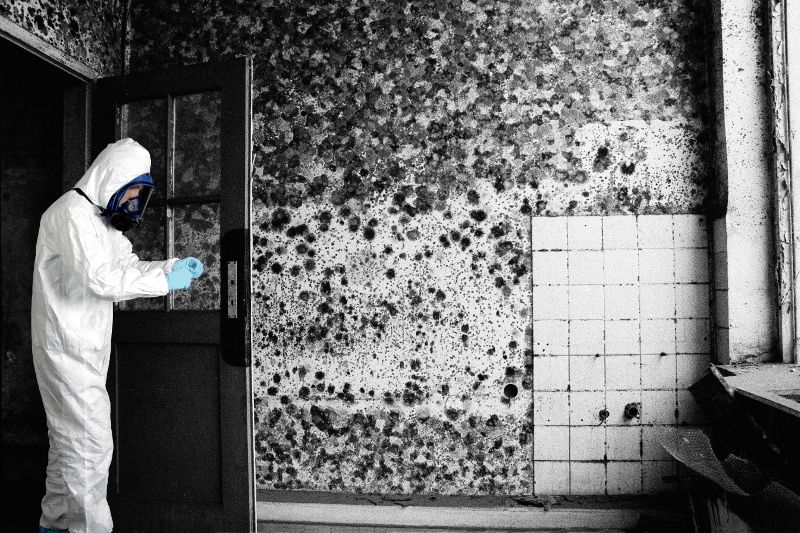
Yes more testing is usually worth it. However it is perfect for the following situations:
By proper testing and professional guidance, hidden mold spread can be prevented and the.
Consider mold inspection when you notice the following signs:
Remember that mould can even cause damage when it is not visible to the naked eye. When mould becomes visible, it has already caused a lot of damage. Therefore if you notice any of these signs, it is your time to call professionals for help.
Usually, residential mold inspection takes around 1 to 3 hours. Sample collection can take up to 15 to 45 minutes. After the sample is collected it is moved to the laboratory where the analysis can take up to 2 to 5 business days. Some laboratories can offer additional testing for an additional fee.
This truly depends on the cause of the mold. Insurance can cover more damage due to events such as bursting of pipes or sudden failure of appliances. It can also cover accidental water damage.
The insurance mostly does not cover any poorly maintained property if there are neglected repairs or a high level of humidity. Similarly long-term leaks or damages can also be excluded from the insurance. Make sure you have reviewed your individual policy before filing a claim.
Average Cost
$250–$500
Average Cost
$350–$600
Average Cost
$400–$900
Average Cost
$900–$2,000+
Average Cost
$1,000–$5,000+
You can skip mold testing but it is generally recommended that if you can clearly see mold then it is time to get it tested to find a proper remediation solution.
A remediation test is generally recommended when:

If you are looking to save money, there are different ways to do so. You don’t really have to look for a company that is the cheapest because it comes with low quality too. Here is what you can do instead:
Professional mold inspection can cost from $350 to $900. Average mold inspection for the residential property can cost from $400 to $700.
You may not have to undergo mould testing always. If the mould is limited to within the concentrated value generally recommended, it is safe. However if the mould is present beyond the expected value, it is your time to call professional mould inspectors. Small signs can be:
The coverage depends on the cause of the mold and the terms of the insurance policy for homeowners.
Mold inspection and testing can take one to two hours and laboratory tests can come within two to five business.
Yes mold is a tiny microscopic organism that is present in your dry walls, underflooring, crawlspaces, and HVAC systems. Therefore professional inspection is needed to find hidden mold when suspected.
So if you’re looking for the answer to the cost of a mold test, it usually ranges between $350 and $900. It depends on different factors such as:
There are many DIY kits available in the market that provide very cheap mold inspection. However that is not a sustainable solution. Professional mold inspectors will analyze your property, check your air quality, and find a solution that is based on laboratory tests.
This remediation plan will be customized so mold testing by professionals is not an expense but an investment. It provides the complete evaluation of your home and helps you make informed decisions to protect you and your family.

Owner & Certified Mold Remediation Specialist
Angelo Marino is a Florida resident and the primary owner of Florida Mold Testers LLC. He has years of hands-on experience in mold assessment and remediation in both residential and commercial properties. He is an expert in home inspections, property restoration and indoor air quality. Angelo is also connected to the mortgage industry from a last few years.